
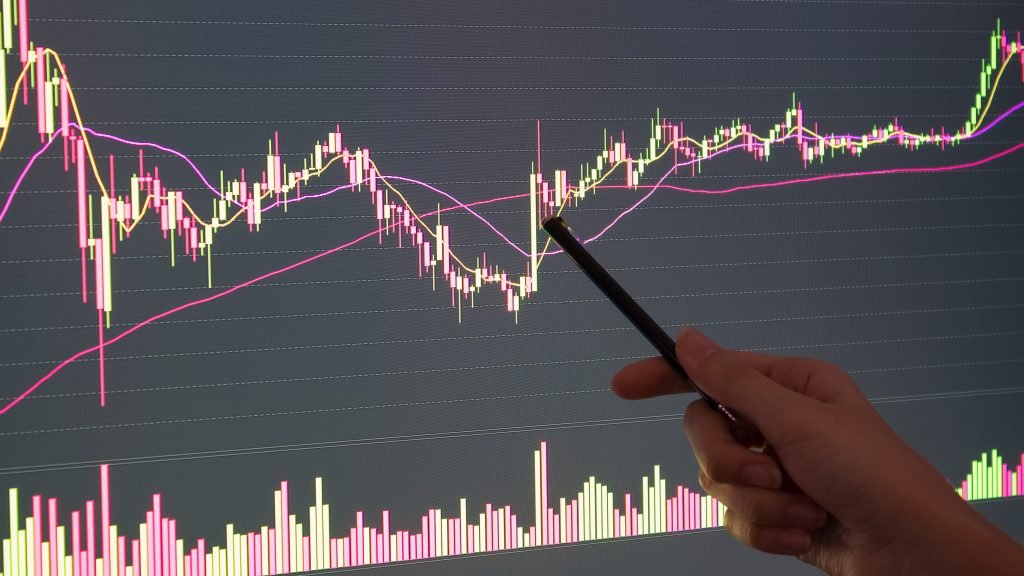
In the fast-paced world of stock options trading, success often hinges on more than just making the right calls or puts. One of the most critical, yet often overlooked, aspects of successful options trading is accurate tracking. Whether you’re a seasoned trader or a novice just dipping your toes into the market, keeping track of every detail—such as strike prices, expiration dates, premium prices, and the underlying stock’s performance—can significantly affect your profitability. In this post, we will explore why accurate stock option tracking is crucial for successful trading and how neglecting it can lead to missed opportunities, unexpected losses, and poor risk management.
Understanding Stock Options and Their Complexity
Stock options are financial contracts that give traders the right, but not the obligation, to buy (call options) or sell (put options) an underlying stock at a predetermined price (the strike price) before a certain date (the expiration date). While stock options provide opportunities for leveraging positions and maximizing returns, they also involve a high degree of complexity. This complexity arises from various factors like time decay, volatility, and changes in the underlying stock’s price.
The combination of these variables makes options trading inherently riskier than traditional stock trading. Successful trading requires understanding the movements in both the options and the underlying stock market and accurately tracking these to make informed decisions. Without a systematic method of tracking these multiple variables, traders are essentially flying blind.
Key Components of Stock Option Tracking
- Strike Prices
The strike price is one of the most important variables to track because it determines the level at which an option can be exercised. Traders often hold multiple options with different strike prices, making it crucial to track which options are in-the-money (ITM) or out-of-the-money (OTM). Accurate tracking of strike prices allows traders to make real-time decisions based on the price action of the underlying asset. - Expiration Dates
Options are time-sensitive instruments, and their value diminishes as the expiration date approaches due to time decay (theta). Keeping close tabs on expiration dates helps traders avoid losing the entire premium by holding onto options too long. Missing an expiration date can be a costly mistake, especially for traders who rely on shorter-term strategies, such as weekly options. - Premium Prices
The premium is the cost of buying an option, and its price fluctuates with market conditions. Tracking premiums is essential for determining the profitability of an options trade. Traders must keep an eye on both the original premium paid and the current market premium to decide when to sell or buy back the option. - Volatility
Implied volatility (IV) impacts the price of an option and represents the market’s expectation of future volatility. Higher volatility generally increases option prices, while lower volatility decreases them. Monitoring volatility can help traders determine when to enter or exit positions based on favorable pricing conditions. - Underlying Stock Performance
Stock options derive their value from the performance of the underlying stock. Traders need to continuously monitor the price movements, news, earnings reports, and other events impacting the underlying asset to accurately adjust their trading strategies. Failing to track these variables could result in missed opportunities or unexpected losses.
The Risks of Not Tracking Options Accurately
Neglecting accurate tracking of stock options can lead to various trading mistakes, many of which can have a significant financial impact.
- Missed Opportunities
Opportunities in the options market can be fleeting, especially when dealing with time-sensitive contracts. Inaccurate tracking might cause a trader to miss an ideal time to exercise or sell an option. For instance, if a stock’s price rapidly increases and a trader does not realize their option is now ITM, they could miss the chance to capitalize on the profit. - Unnecessary Losses Due to Expiry
One of the most common pitfalls for options traders is allowing contracts to expire worthless. This often happens when expiration dates are not tracked accurately. Even options that are ITM might expire worthless if a trader forgets to exercise or sell them. Moreover, holding onto losing options too long can result in unnecessary losses. - Impaired Risk Management
Effective options trading is all about managing risk. If you’re not accurately tracking the positions you hold, it becomes much harder to assess your portfolio’s risk exposure. A failure to monitor the risk of your open positions, including the number of contracts held and their potential impact on your overall portfolio, can result in overexposure to risk without you realizing it. - Inefficient Use of Capital
Options require careful capital allocation to maximize returns. If you aren’t tracking your options accurately, it’s easy to allocate too much capital to underperforming trades or miss opportunities for higher returns elsewhere. Efficient capital management through accurate tracking ensures that traders can maximize their returns on investment. - Difficulty in Executing Multi-Leg Strategies
Many options traders use complex strategies, such as spreads, straddles, and strangles, that involve multiple options contracts. These multi-leg strategies require careful coordination of different strike prices, expiration dates, and premiums. Inaccurate tracking can lead to improper execution of these strategies, potentially turning a profitable trade into a losing one.
Benefits of Accurate Option Tracking
While the risks of poor tracking are significant, the benefits of keeping accurate records can be transformative for options traders.
- Informed Decision-Making
By accurately tracking every aspect of your options trades, you can make better-informed decisions. Whether you need to adjust a position due to an upcoming expiration or take advantage of increased volatility, having all the relevant data at your fingertips is critical for success. - Improved Profitability
When you have a clear picture of your portfolio and the status of each options contract, you’re better positioned to identify profitable opportunities. You can also avoid unnecessary losses by closing out losing positions before they expire or implementing stop-loss strategies. - Enhanced Risk Management
Accurate tracking helps traders maintain control over their portfolio’s risk exposure. You can more easily track how much of your capital is allocated to high-risk positions and adjust your strategy accordingly. - Efficient Portfolio Management
Keeping detailed records of your trades helps you manage your portfolio more efficiently. You can quickly assess which strategies are working, where you’re making the most profit, and where you need to make adjustments. - Simplified Tax Reporting
Options trading often results in a large number of transactions. Accurate tracking simplifies tax reporting, ensuring that you don’t miss out on deductions or make costly errors when filing your taxes.
Tools for Accurate Option Tracking
Accurate tracking is essential, but trying to track all of these variables manually is nearly impossible. Fortunately, there are various tools available that can help traders keep accurate records of their options trades.
- Options Trading Platforms
Many online brokers offer trading platforms with built-in options tracking features. These platforms often allow traders to monitor their positions in real time, set alerts for important events (like expiration dates), and even analyze the potential impact of volatility on their positions. - Spreadsheet Tracking
Some traders prefer to use spreadsheets to track their trades. While this method can be time-consuming, it provides complete customization and control over how data is recorded. Spreadsheets allow traders to record every detail of their trades and analyze their performance over time. - Dedicated Options Tracking Software
There are also dedicated options tracking tools that offer more advanced features, such as automatic tracking of trades, profit and loss analysis, and tax reporting. These tools are ideal for active traders who need more robust tracking capabilities.
Conclusion
Accurate stock option tracking is not just a useful practice—it’s an essential part of successful trading. The complexity and time-sensitive nature of options require traders to stay on top of every detail, from strike prices to expiration dates and volatility. By adopting a disciplined approach to tracking options trades, traders can significantly improve their decision-making, manage risk more effectively, and ultimately increase their profitability. Whether through trading platforms, spreadsheets, or dedicated software, the right tracking tools are crucial for success in the world of options trading.